

Mohs Micrographic Surgery
What is Mohs Micrographic Surgery?
Mohs surgery is a microscopically controlled surgery used to treat common types of skin cancer. It is the most effective and advanced treatment for skin cancer today. Mohs micrographic surgery enables for precise identification and removal of the entire skin cancer, leaving healthy tissue intact.
FREQUENTLY ASKED QUESTIONS
-
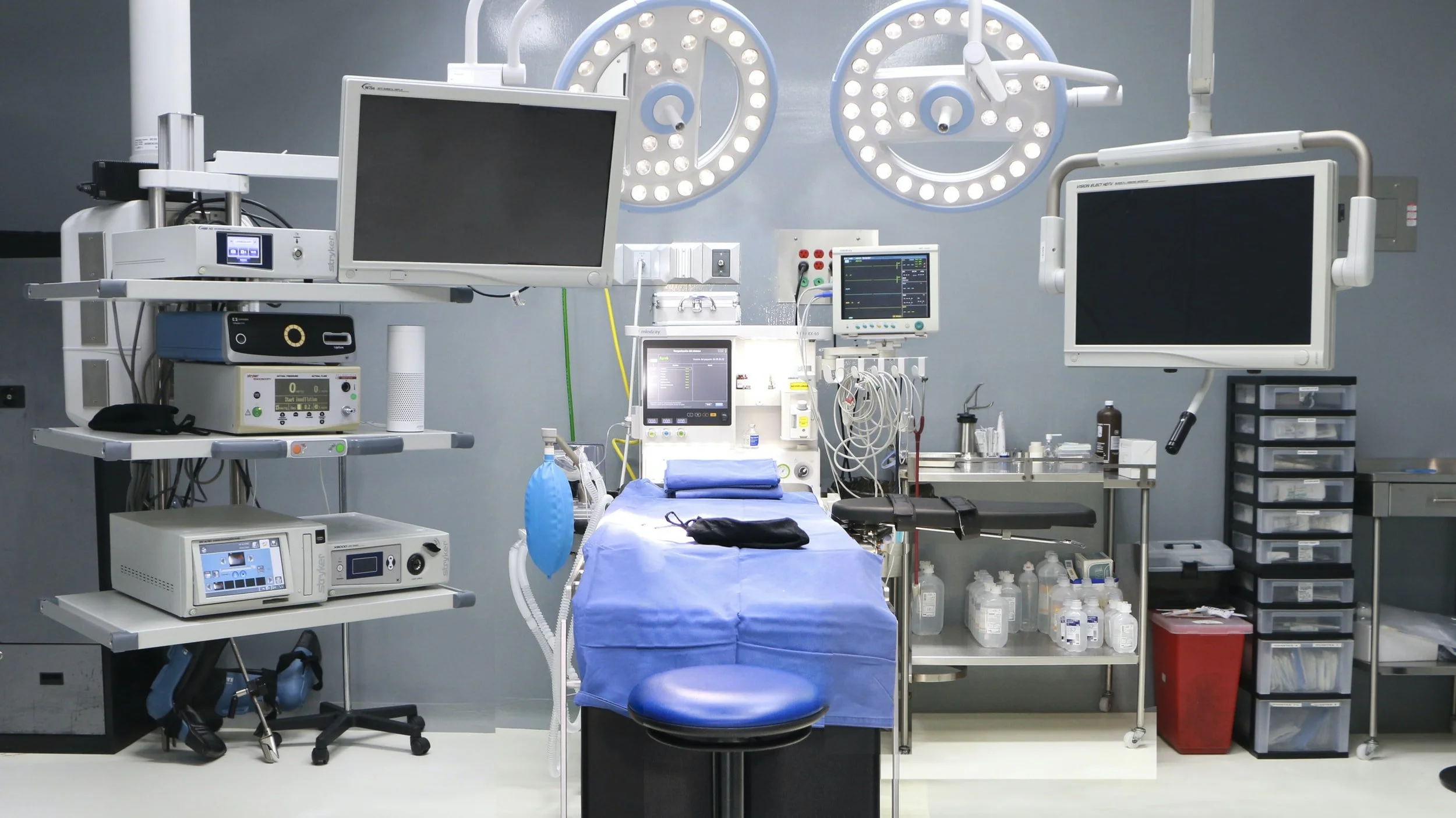
Mohs micrographic surgery takes place in our facility and is conducted under local anesthetic. During Mohs micrographic surgery, Dr Vergilis-Kalner will first remove the visible tumor tissue with a small rim of healthy skin around it. She will then divide it into sections and color code each section, marking reference points for each section at the tumor site. This tissue will then be examined under a microscope. If there are any visible cancer cells, Dr. Vergilis-Kalner will determine their location by the color code and will remove an additional layer of skin from the tumor site and, again, examine it under the microscope. This procedure will continue until there are no more cancer cells visible under the microscope. Most patients can expect their Mohs surgery to be completed within several hours, although the procedure may take longer if the roots of the cancer have penetrated many layers of the skin or have spread further on the skin surface.
-
Mohs micrographic surgery is especially effective for tumors on the head and neck, especially around the eyes, ears, lips and nose. It has also been proven successful in the treatment of large and ill-defined tumors, regardless of location, and aggressive and recurring tumors. During your initial consultation, Dr, Vergilis-Kalner will discuss all treatment options and will determine if Mohs micrographic surgery is the best treatment option for your skin cancer.
-
After the piece of skin that contains skin cancers is removed, the wound is covered, and you can return to the waiting area. At that time you can eat, read a book, work on your laptop, iPad, listen to your iPod, or relax.
-
Each step (or stage) of the surgical procedure takes about 5 to 10 minutes. After each surgical stage, it usually takes at least an hour for the slides to be prepared for microscopic examination of the tissue that was removed. The length of the surgery is determined by the number of times it will be required to make the cuts to remove the entire skin cancer. Following the removal of the skin cancer, the wound will be closed with stitches and you will be able to go home.
-
Most patients do not complain of pain. If you are uncomfortable, we recommend taking 2 tablets of extra-strength Tylenol every four hours. Avoid aspirin-containing compounds, Ibuprofen, and Motrin as these may produce bleeding.
-
Rarely does bleeding occur following surgery. If this should happen, lie down and place steady, firm pressure over the bandage as close as possible to the area that is oozing blood. Apply pressure continuously for 20 minutes. Do not lift the bandage to check the bleeding. If the bleeding persists after 20 minutes of steady pressure, repeat pressure for another 20 minutes and call our office.
-
All wounds develop a small, surrounding halo of redness that disappears gradually. Severe itching with extensive redness may indicate a reaction to adhesive tape. You should call our office if this develops. Swelling is common following MOHS surgery, particularly when it is performed around the eyes. All wounds show a moderate amount of swelling. Usually, this is not a problem.
-
It is not possible to make cuts in the skin and not leave a scar. However, since Mohs micrographic surgery is a tissue sparing procedure that aims at removing skin cancer and leaving as much of the healthy skin intact, this procedure tends to result in minimal scarring. Dr. Vergilis-Kalner also has an extensive experience and expertise in reconstructing the wounds after removal of the skin cancers and she will do her best to leave you with the smallest, least visible scar possible.
-
Having had one skin cancer, makes you prone to developing other skin cancers. Therefore, it is important that you check your own skin on the monthly bases and see your dermatologist every six months for a total body skin check.
-
Some health insurance policies cover the entire cost of the Mohs micrographic surgery. Most cover at least part of this procedure. Each policy is different. Please check with our practice administrator if you have any questions regarding the costs and the necessary forms for Mohs micrographic surgery.
-
Dr. Vergilis-Kalner and her staff will be happy to discuss this procedure with you. Please feel free to call or email to schedule a private consultation